Building Generational Wealth with Reverse Mortgages
Retirement today looks very different from a generation ago. Longer lifespans, rising healthcare costs, and insufficient savings mean that traditional strategies built on income, investments, and insurance often fall short. One overlooked asset—home equity—represents more than $14 trillion for today’s retirees, yet it is rarely included in financial planning.
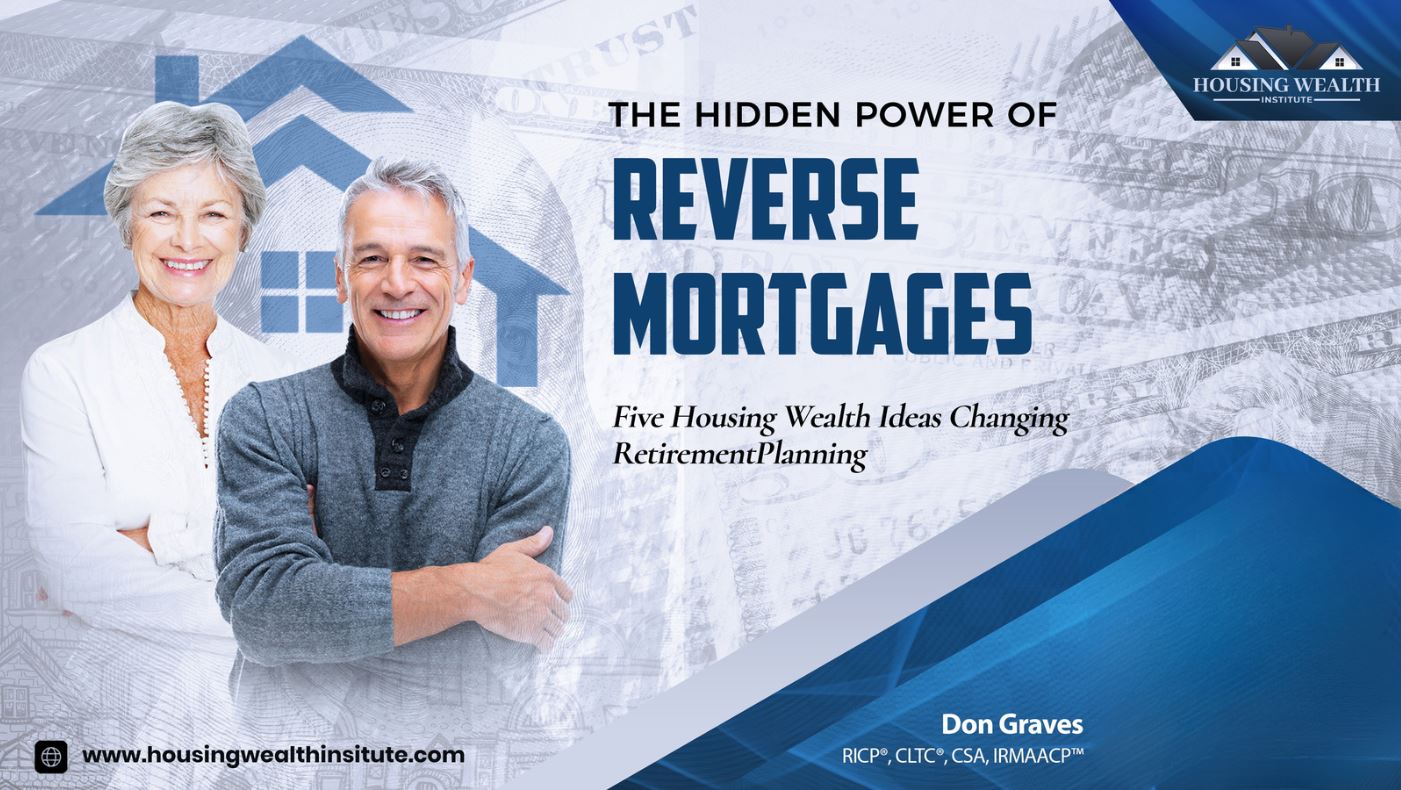
This article explores how modern reverse mortgages, particularly the federally insured Home Equity Conversion Mortgage (HECM), have evolved from a “loan of last resort” into a powerful planning tool. Advisors and researchers now recognize housing wealth as a legitimate asset class, capable of:
Strengthening retirement income
Reducing portfolio risk during market downturns
Funding long-term care or legacy goals
Eliminating mortgage debt in retirement
Supporting tax strategies such as Roth conversions
One of the most underappreciated features is the growing line of credit, which expands over time and provides a flexible, tax-free reserve that can be tapped when needed.
The article highlights seven proven strategies, from basic uses like home repairs or supplemental income to advanced approaches like portfolio buffering and tax optimization. These strategies show how reverse mortgages can preserve lifestyle, independence, and legacy—helping families pass down not only assets, but also financial resilience.
For financial professionals and retirees alike, the takeaway is clear: housing wealth must be part of the conversation.
👉 Fill out the form below to receive the full article along with peer-reviewed research from leading experts, including Morningstar, Dr. Wade Pfau, and Nobel Laureate Dr. Robert Merton.