
What if one of your most valuable retirement assets isn’t in your IRA, 401(k), or investment portfolio, but in the home you already own?
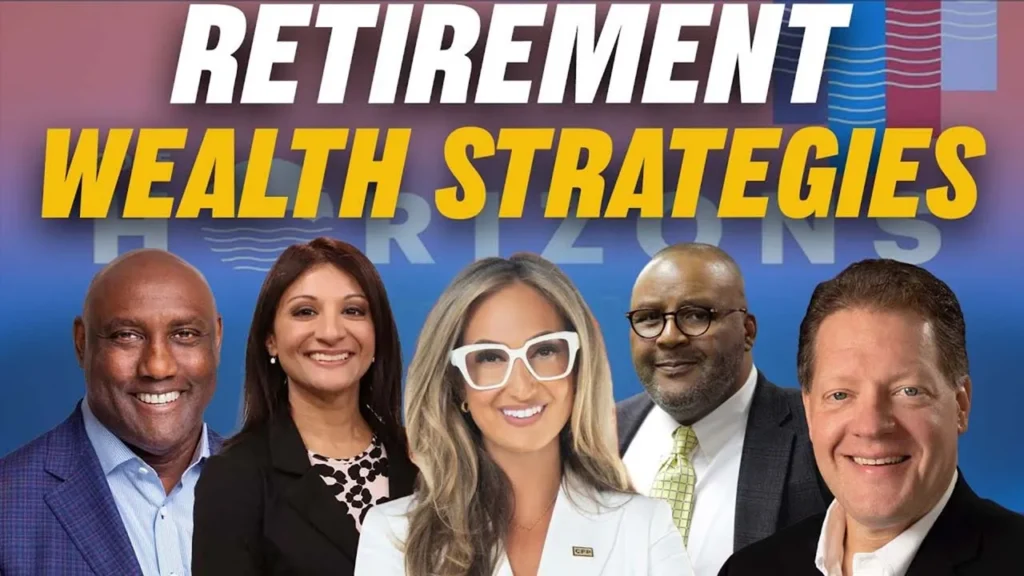
I recently joined Joe Simon on The Joe Simon Podcast for a conversation about the modern reverse mortgage and how housing wealth can play a meaningful role in retirement income planning.
Joe came prepared with questions that many retirees are asking. Do you give up ownership of your home? Are reverse mortgages expensive? Will the proceeds affect Social Security or Medicare? And why would someone consider a reverse mortgage instead of a traditional home equity line of credit?
We explored those questions and several important planning opportunities.
One of my favorite concepts is what I call the Fourth Bucket of Retirement. Most retirees rely on three primary resources: income, investments, and insurance. But for homeowners, housing wealth represents another potentially valuable resource that often gets overlooked.
Video Chapters
00:00 Introduction to The Joe Simon Podcast
01:04 Meet Don Graves and the Housing Wealth Institute
03:12 Common Questions and Misconceptions About Reverse Mortgages
05:21 The Fourth Bucket of Retirement: Housing Wealth
08:26 Do Reverse Mortgages Affect Social Security or Medicare?
09:12 How Reverse Mortgage Benefits Are Calculated
10:01 Ways to Access Reverse Mortgage Funds
13:08 Can You Lose Your Home With a Reverse Mortgage?
16:58 How the Growing Line of Credit Works
20:43 Using Housing Wealth to Prepare for Long-Term Care
22:01 Why All Available Assets Matter in Retirement
26:26 How Modern Reverse Mortgages Have Changed
27:49 Consumer Protections and Independent Counseling
29:42 Final Thoughts and Key Takeaways
31:04 Complimentary Educational Resource
We also discussed the growing reverse mortgage line of credit. I shared an illustration of a 65-year-old homeowner with a $600,000 home who establishes an approximately $179,000 line of credit. If left untouched, that available credit could potentially grow to nearly $780,000 over 20 years, based on the illustration’s assumptions.
Imagine what that additional reserve could mean for managing market downturns, unexpected expenses, long-term care needs, or simply providing greater financial flexibility.
We also addressed how today’s reverse mortgages have evolved, including independent counseling, protections for eligible spouses, and the responsibilities homeowners retain.
My message is simple: A reverse mortgage isn’t right for everyone, but housing wealth deserves a seat at the retirement planning table.
I appreciate Joe inviting me to share these ideas and encouraging his audience to look beyond some of the longstanding misconceptions about reverse mortgages.
Note: Illustrations are hypothetical, and actual line-of-credit growth depends on loan terms and variable interest rates. Borrowers must continue meeting loan obligations, including property taxes, insurance, maintenance, and occupancy.
Related Articles and Resources
- 16 Considerations Before Choosing a Reverse Mortgage
- Social Security’s $195 Billion Overhaul: Reverse Mortgage Insights
- 37 Frequently Asked Questions About Reverse Mortgages
What to Do When You Have a Client or Case?
- Go to www.HousingWealthPro.com and request an Housing Wealth Illustration. Give Details in the “Notes” Section including the clients phone # if they would like a Housing Wealth Assessment. You can also
- Schedule a Time to Speak with Me: Click Here
- Want faster results? Visit www.HousingWealthCalculator.com and get a 60-second preview of potential reverse mortgage benefits.

The content of this blog is for financial advisors and professionals only and is not intended for consumer use. Names, cases, and scenarios are fictionalized for illustrative purposes. The opinions expressed here are those of the author alone and do not reflect the views of any affiliated entities or individuals. Don Graves, NMLS #142667.